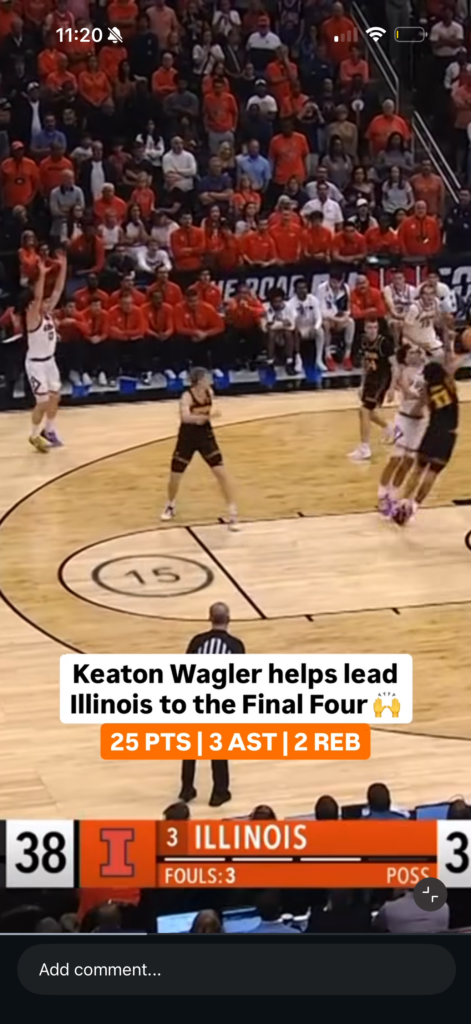
10:00 a.m. I wake up and go straight on TikTok. I scroll my For You page watching funny and trending videos from creators like Alix Earle and Jake Shane. Mixed into that I start seeing women’s basketball content. One video from Overtime Women’s Basketball shows a player highlight edit and says she is entering the transfer portal. There is no source or quote so it feels like a guess instead of real news.
Link: https://www.tiktok.com/@overtimewbb
11:30 a.m. I check Instagram stories and reels. I see posts from ESPN and Bleacher Report which feel reliable. Then I see repost pages like posther.hoops posting transfer news with no source. One post says a player is transferring with no article or confirmation which makes it questionable.
Links:
https://www.instagram.com/espn/
https://www.instagram.com/bleacherreport/
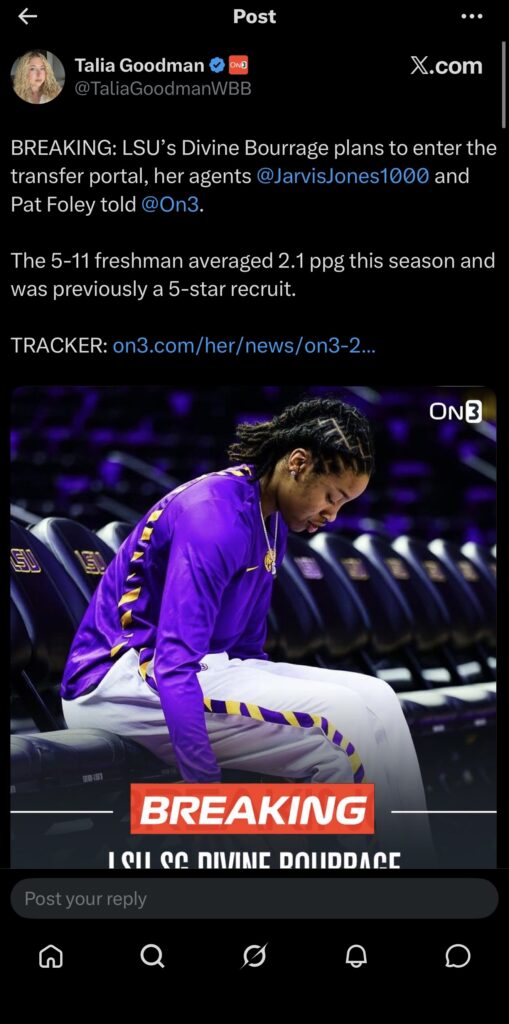
1:30 p.m. I open Twitter. I see updates from On3 and ESPN Women’s Hoops. I also see random accounts posting rumors about the transfer portal. The tweets say breaking news but give no proof. A lot of people still like and repost them.
Links:
https://twitter.com/On3sports
https://twitter.com/ESPN_WomenHoop
3:00 p.m. My mom sends a TikTok from a health article about fat loss. The video makes weight loss sound simple and acts like there is one easy answer. I decided to fact check it with a research article called Scientific Challenges on Theory of Fat Burning by Exercise. The article does not support simple fat loss claims. Instead, it explains that exercise related fat loss is more complicated than just “burning fat” during a workout. It says high intensity exercise can reduce abdominal fat, but that result may not come from fat burning alone. The article suggests the body’s recovery process and how nutrients are redistributed may matter too. That made me realize the TikTok was oversimplifying the science to make the claim sound easier than it really is.
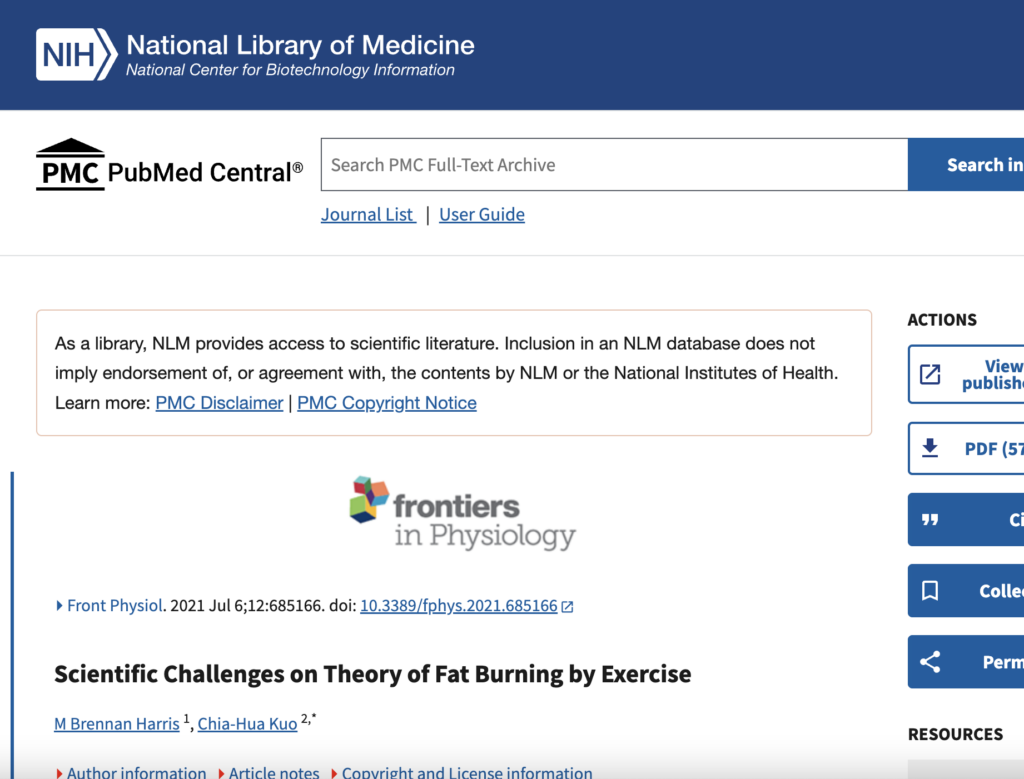
Source: https://pmc.ncbi.nlm.nih.gov/articles/PMC8290478/
5:30 p.m. A teammate sends me a tweet about a transfer portal update. The account is verified, and it is reliable. I check the ESPN app and do not see anything about it which makes me question it.
Link: https://www.espn.com/womens-college-basketball/
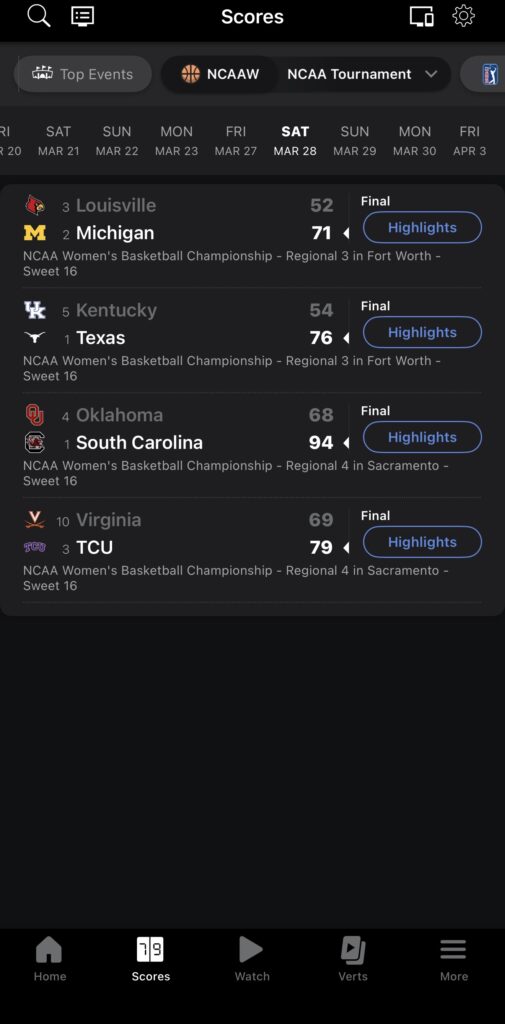
7:00 p.m. I check the ESPN app again for scores and updates. This feels like the most reliable source I used today. I compare it to what I saw earlier. Some of the news from social media is not confirmed.
Link: https://www.espn.com/
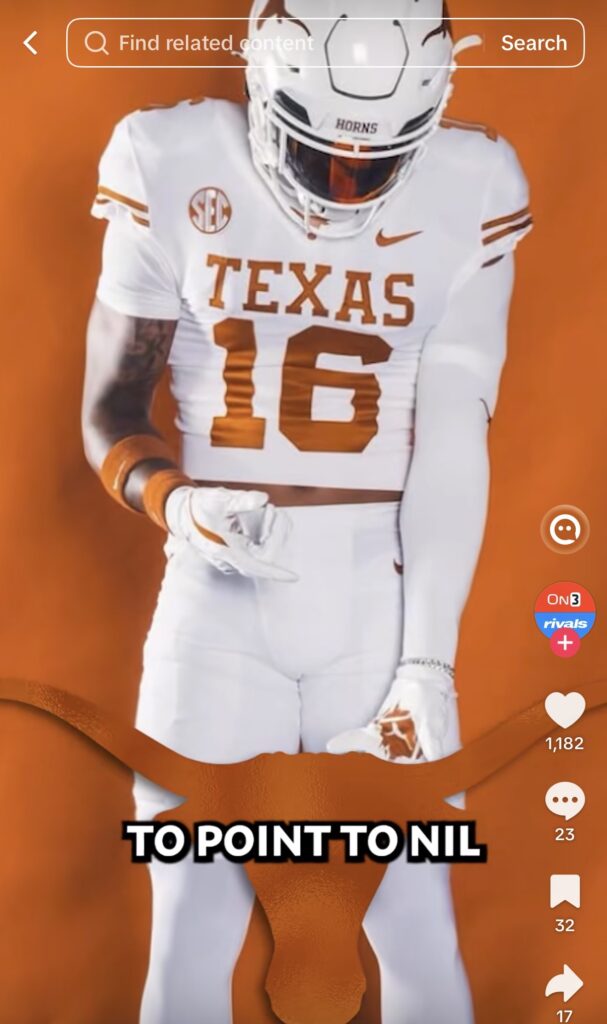
9:30 p.m. I go back on TikTok. I see NIL content from accounts talking about athlete earnings. One video says athletes are making huge amounts of money. There is no data or source which makes it feel exaggerated. I looked it up and found a more reliable breakdown of NIL earnings.
Source: https://www.on3.com/nil/rankings/
What stood out to me the most during this activity was that I saw more questionable content than I expected. A lot of it was not coming from major news outlets. It was usually coming from repost pages, random sports accounts, unverified Twitter accounts, TikTok creators, or people sharing things in group chats without checking them first. Things that were the same kept showing up on different apps, I noticed. A story would catch my attention on TikTok, and then I’d see a similar post on Instagram or Twitter. That showed me how quickly false information can spread when people keep posting it.
I also saw a pattern in the kind of material that made me suspicious. It was mostly material that tried to grab people’s attention quickly. Transfer portal rumors, NIL money claims, health hacks, celebrity drama, hot takes, these posts were usually written in a dramatic way to get clicks, views, or shares. A lot of them sounded confident even when they gave no proof. That made them easy to believe at first, especially when so many people in the comments acted like the information was true.
I am definitely more likely to fact check certain outlets or accounts than others. If I see something from ESPN or a verified source with direct reporting, I am more likely to trust it first. If I see something from a repost account, a random TikTok page, or an unverified Twitter account, I feel like I need to double check it right away. The reason is simple. Credible outlets usually show where their information comes from. A lot of random social media accounts do not. This activity made me realize that even though I consume a lot of media every day, I still need to slow down and pay attention to where the information is coming from before I believe it or share it.
Leave a Reply